I. Personnel Arrangements
1.Bilingual Tour Guides: Throughout this 10 - day journey, professional bilingual tour guides will be at your service. They are fluent in English and Chinese, ensuring seamless communication. These guides are not only well - versed in historical facts but also skilled in sharing cultural anecdotes. For example, when visiting the Forbidden City in Beijing, they can vividly describe the imperial court life, the significance of each palace, and the traditional Chinese architectural concepts. In Shanghai, they can explain the evolution of the city from a fishing village to a global metropolis, and in Hangzhou, they will introduce the legends and stories related to the West Lake.
2.Local Assistants: In some situations, local assistants will be available to provide extra help. For instance, when you are exploring the old alleys in Shanghai or the small villages around Hangzhou, local assistants can help you interact with the locals more easily, understand the local dialect - specific expressions, and even arrange for you to participate in some local community activities, like traditional Chinese tea - making classes in a Shanghai neighborhood or a local farmer's market visit in Hangzhou.
II. Route Arrangements
Day 1: Arrival in Beijing
•Morning: Upon arrival at Beijing Capital International Airport, our warm - hearted and professional tour guide will be waiting for you at the arrival hall. They will assist you with luggage collection and transfer you to your pre - booked hotel in the city center. After checking in, you can take a short rest to adjust to the time difference and the local environment.
•Afternoon: Visit the Temple of Heaven. This ancient sacrificial altar is a masterpiece of Chinese architecture and a symbol of the harmonious relationship between man and nature in traditional Chinese culture. Admire the unique circular - shaped halls and the beautiful gardens.
•Evening: Have dinner at a local restaurant near the Temple of Heaven, trying some traditional Beijing dishes like Beijing roast duck. After dinner, take a walk in the nearby park to enjoy the local evening atmosphere.
Day 2: Beijing
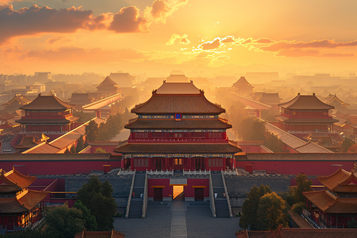
•Morning: Head to the Forbidden City, the former imperial palace of the Ming and Qing dynasties. Explore its magnificent palaces, halls, and gardens. The Forbidden City is a vast complex with over 9,000 rooms, filled with imperial treasures and historical relics.
•Afternoon: Visit the Jingshan Park, which is located right behind the Forbidden City. Climb up to the top of the hill to get a panoramic view of the Forbidden City and the central axis of Beijing. There are also several pavilions on the hill where you can relax and enjoy the scenery.
•Evening: Have dinner in a hutong area. You can choose to take a rickshaw ride through the narrow alleys of the hutongs, experiencing the unique local lifestyle. There are also many small restaurants and bars in the hutongs, offering a variety of local and international cuisines.
Day 3: Beijing
•Morning: Take a day trip to the Great Wall. You can choose to visit the Badaling section, which is the most well - preserved and popular part of the Great Wall. Walk along the ancient wall, enjoy the breathtaking scenery, and feel the grandeur of this world - famous wonder.
•Afternoon: Return to Beijing. On the way back, you can stop by a local farm to experience rural life in China. You can pick fresh fruits and vegetables, and even try some simple farming activities.
•Evening: Have dinner at a restaurant in the city, and then you can go to a traditional Chinese acrobatics show to enjoy the amazing skills of the performers.
Day 4: Beijing - Shanghai
•Morning: Take a high - speed train from Beijing South Station to Shanghai Hongqiao Station. The journey takes about 4.5 hours, during which you can enjoy the beautiful scenery of the North China Plain and the Yangtze River Delta.
•Afternoon: Upon arrival in Shanghai, the local tour guide will meet you at the station and transfer you to your hotel. After checking in, visit the Bund. Admire the magnificent colonial - era buildings on the west bank of the Huangpu River and the modern skyscrapers on the east bank, such as the Oriental Pearl Tower.
•Evening: Have dinner at a restaurant with a view of the Bund. You can choose from a variety of cuisines, including Shanghai local cuisine, Western food, and international fusion cuisine. After dinner, take a cruise on the Huangpu River to enjoy the night view of Shanghai.
Day 5: Shanghai
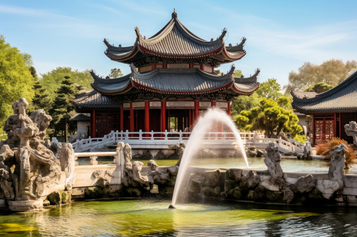
•Morning: Visit the Yu Garden, a traditional Chinese garden with a history of over 400 years. Admire the beautiful pavilions, rockeries, and ponds, and experience the tranquility of traditional Chinese culture.
•Afternoon: Explore the Yuyuan Bazaar, which is located near the Yu Garden. Here, you can buy a variety of traditional Chinese handicrafts, souvenirs, and local snacks.
•Evening: Have dinner at a local restaurant in the bazaar, trying some famous Shanghai snacks like xiaolongbao (steamed buns), scallion pancakes, and sweet - and - sour spare ribs. Then, you can go to a traditional Chinese opera show, such as Shanghai opera or Peking opera.
Day 6: Shanghai
•Morning: Go to the Shanghai Museum, which is one of the largest museums in China. It houses a vast collection of artifacts, including ancient bronzes, ceramics, calligraphy, and paintings. You can spend several hours exploring the museum and learning about Chinese history and culture.
•Afternoon: Visit the Nanjing Road, one of the most famous shopping streets in the world. You can shop for luxury brands, local products, and international fashion. There are also many department stores, shopping malls, and street vendors.
•Evening: Have dinner at a restaurant on Nanjing Road. After dinner, you can enjoy the night view of Nanjing Road, which is decorated with colorful lights and neon signs.
Day 7: Shanghai - Hangzhou
•Morning: Take a high - speed train from Shanghai Hongqiao Station to Hangzhou East Station. The journey takes about 45 minutes.
•Afternoon: Upon arrival in Hangzhou, the local tour guide will meet you at the station and transfer you to your hotel. After checking in, visit the West Lake. Take a boat ride on the lake, enjoy the beautiful scenery of the lake and the surrounding mountains, and visit some of the famous scenic spots, such as the Leifeng Pagoda, the Su Causeway, and the Bai Causeway.
•Evening: Have dinner at a local restaurant near the West Lake, trying some famous Hangzhou dishes like West Lake fish in vinegar sauce, Dongpo pork, and Longjing shrimp. After dinner, you can take a walk along the lake to enjoy the night view.
Day 8: Hangzhou
•Morning: Visit the Lingyin Temple, one of the most famous Buddhist temples in China. It is located at the foot of the Feilai Peak, surrounded by beautiful mountains and forests. Admire the magnificent temple buildings, the ancient Buddha statues, and the beautiful scenery.
•Afternoon: Go to the Xixi National Wetland Park. Take a boat ride through the wetland, enjoy the natural scenery, and observe the various plants and animals. You can also visit some of the local villages in the wetland and experience the traditional rural life in Hangzhou.
•Evening: Have dinner at a local restaurant in the wetland park. After dinner, you can go to a traditional Chinese tea house to enjoy a cup of Longjing tea, which is one of the most famous teas in China.
Day 9: Hangzhou
•Morning: Take a day trip to the Qiandao Lake. It is a large artificial lake with over 1,000 islands. You can take a boat tour to visit some of the islands, enjoy the beautiful scenery of the lake and the islands, and participate in some water sports activities, such as fishing, kayaking, and swimming.
•Afternoon: Return to Hangzhou. On the way back, you can stop by a local tea plantation to learn about the tea - making process and taste some fresh tea.
•Evening: Have dinner at a restaurant in the city, and then you can go to a local bar or nightclub to enjoy the nightlife in Hangzhou.
Day 10: Departure from Hangzhou
•Morning: Have a free morning to explore the local area around your hotel or do some last - minute shopping.
•Afternoon: Check out of the hotel and be transferred to Hangzhou Xiaoshan International Airport for your flight back home or to your next destination.
III. Attraction Introductions
1.Temple of Heaven (Beijing): Built in the 14th century, the Temple of Heaven was used by the emperors of the Ming and Qing dynasties to perform sacrifices and pray for good harvests. The main buildings, such as the Hall of Prayer for Good Harvests, are circular in shape, symbolizing the ancient Chinese belief that the sky is round. The complex also includes beautiful gardens, where you can see many local people practicing Tai Chi, singing, or dancing.
2.Forbidden City (Beijing): Also known as the Palace Museum, the Forbidden City is a vast imperial palace complex. It was the political and cultural center of China for nearly 500 years. The palaces and halls are arranged in a strict symmetrical pattern, following the traditional Chinese architectural principles. The Forbidden City houses a large number of imperial treasures, including imperial robes, jade carvings, and porcelain, which reflect the high - level craftsmanship of ancient China.
3.Great Wall (Beijing): The Great Wall is one of the seven wonders of the world. It was built over 2,000 years ago to defend against the northern invaders. The Badaling section, which you will visit, is well - preserved and offers a great view. As you walk along the wall, you can imagine the hard work of the ancient builders and the historical battles that took place here.
4.Bund (Shanghai): The Bund is a symbol of Shanghai's modernization. The colonial - era buildings on the west bank, such as the Peace Hotel and the Customs House, were built in the 19th and early 20th centuries. They represent different architectural styles, including Gothic, Renaissance, and Baroque. Opposite the Bund, on the east bank of the Huangpu River, stands the modern Lujiazui financial district, with skyscrapers like the Shanghai World Financial Center and the Shanghai Tower, showing the rapid development of Shanghai.
5.Yu Garden (Shanghai): Yu Garden is a typical Jiangnan (south of the Yangtze River) garden. It was built by a government official in the Ming Dynasty for his parents to enjoy their retirement. The garden is designed to create a harmonious blend of nature and architecture. The rockeries are carefully arranged to form interesting shapes, and the ponds are filled with lotus flowers. The pavilions and corridors provide a place for people to rest and enjoy the scenery.
6.Shanghai Museum (Shanghai): The Shanghai Museum has a collection of over 1 million cultural relics. Its collection covers a wide range of historical periods, from ancient times to modern times. The bronze collection is particularly famous, with many rare and well - preserved bronzes from the Shang and Zhou dynasties. The museum's architecture is also unique, with a round top and a square base, symbolizing the ancient Chinese concept of "the sky is round and the earth is square."
7.West Lake (Hangzhou): West Lake is one of the most famous scenic spots in China. It has been praised by poets and artists for centuries. The lake is surrounded by mountains on three sides, and there are many historical sites and scenic spots around it. The Leifeng Pagoda, for example, is famous for the legend of the White Snake. The Su Causeway and the Bai Causeway divide the lake into different parts, and they are lined with willow trees and flowers, creating a beautiful and peaceful landscape.
8.Lingyin Temple (Hangzhou): Lingyin Temple is one of the oldest and most famous Buddhist temples in China. It was founded in the 4th century. The temple is located in a beautiful valley, with mountains and forests as its backdrop. The main hall of the temple houses a large Buddha statue, and there are also many other halls and pavilions. The Feilai Peak, which is adjacent to the temple, is covered with many Buddhist rock carvings, dating back to the 10th - 14th centuries.
9.Xixi National Wetland Park (Hangzhou): Xixi National Wetland Park is a unique wetland ecosystem in the city. It is home to a large number of plants and animals. The park is characterized by its waterways, which meander through the wetland. You can take a boat ride to explore the park, passing by small islands, reed marshes, and local villages. The wetland also plays an important role in regulating the city's climate and providing ecological services.
10.Qiandao Lake (Hangzhou): Qiandao Lake is a man - made lake formed after the construction of a hydroelectric dam. The lake has clear water and a large number of islands, each with its own unique scenery. Some islands are covered with forests, while others have historical sites or tourist attractions. You can enjoy various water - based activities on the lake, and the fresh air and beautiful scenery make it a perfect place for relaxation.
Coupon xxxxxxxx has been successfully claimed
Coupon xxxxxxxx repeated collection
Failed to receive coupon xxxxxxx
 USD
USD 
 Lv.1
Lv.1 
Reviews
0%
0%
0%
0%
0%
Share your thoughts with other customers
Write a Review